Understanding the Financial Impact of Bad Debt on Your Business
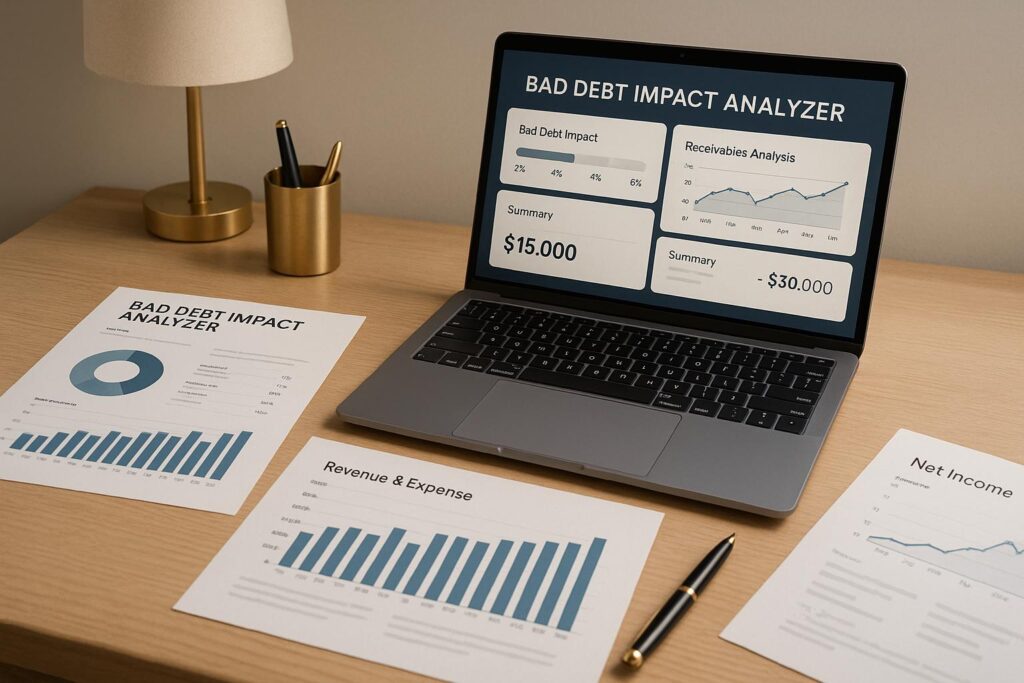
Running a business comes with its share of challenges, and one of the sneakiest is uncollected debt. When customers fail to pay, it’s not just a minor inconvenience—it can take a real bite out of your revenue. That’s where tools like our Bad Debt Impact Analyzer come in handy. They help you see the numbers clearly, so you’re not guessing about the damage.
Why Unpaid Invoices Hurt More Than You Think
Unpaid invoices, often called bad debt, can quietly erode your financial stability. Imagine pouring effort into sales only to lose a chunk of that income because some accounts never settle up. Beyond the immediate loss, it can mess with your cash flow, making it harder to pay suppliers or invest in growth. For small businesses especially, this kind of revenue hit can sting. Knowing the exact scope of the problem is the first step to managing it.
Take Control with Data
Don’t let unpaid debts catch you off guard. By assessing the risk to your accounts receivable, you can make smarter choices—whether it’s tightening credit terms or chasing down overdue payments. A quick analysis can reveal a lot about your financial health and guide your next moves.
FAQs
What is bad debt, and why does it matter to my business?
Bad debt refers to money owed to your business that you’re unlikely to collect, often from customers who can’t or won’t pay. It matters because it directly reduces your revenue and can strain cash flow. If left unchecked, it might force you to cut costs elsewhere or take on debt to cover the shortfall. Our tool helps you quantify this loss so you can take steps to minimize it, like tightening credit policies or following up on overdue accounts.
How accurate is the bad debt percentage I should input?
The bad debt percentage is an estimate based on your past experience or industry averages. If you’ve tracked uncollected debts before, use that data as a starting point. Otherwise, research typical rates for your sector—some industries see 1-2%, while others might hit 5-10%. The more accurate your input, the better the insight you’ll get from our analyzer. You can always adjust the percentage to see different scenarios!
What can I do to reduce the impact of bad debt?
Reducing bad debt starts with prevention. Screen customers for creditworthiness before extending terms, and set clear payment policies upfront. Follow up on overdue invoices promptly—don’t let them sit. You might also consider offering early payment discounts to encourage faster settlements. If bad debt is already a problem, look into debt collection services or write-offs for tax purposes. Use our tool regularly to keep tabs on the financial hit and adjust your approach.