
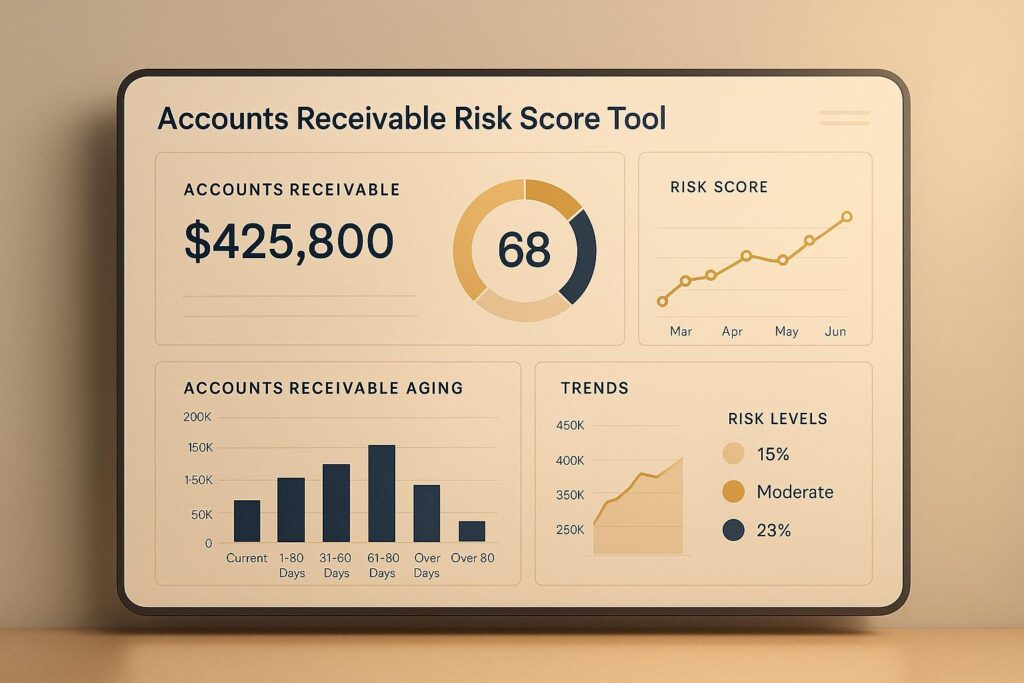
Understanding Financial Health with an Accounts Receivable Risk Score Tool
Running a business means keeping a close eye on cash flow, and one of the biggest challenges is managing payments owed to you. Unpaid invoices or delayed payments can quietly snowball into serious issues if not addressed. That’s where a tool to evaluate payment risk comes in handy—it offers a quick way to gauge potential trouble spots before they impact your bottom line.
Why Assessing Receivables Matters
Every business deals with clients who pay at different speeds. Some settle up right away, while others drag their feet, leaving you waiting for funds you’ve already earned. A high percentage of overdue accounts or relying heavily on just a few clients can create vulnerabilities. By analyzing these factors, you gain clarity on where your finances stand and what steps to take next. Whether it’s tightening credit terms or chasing down late payments, having a clear picture of your risk level empowers smarter decisions.
Take Control of Your Cash Flow
Don’t let uncertainty around receivables keep you up at night. A simple assessment can highlight whether your business is on solid ground or needs a strategic tweak. Stay proactive and keep your finances healthy with tools designed to simplify complex challenges.
FAQs
What does the risk score mean for my business?
The risk score, ranging from 1 to 100, reflects the potential financial strain tied to your accounts receivable. A higher score means greater risk, often due to slow payments, a high percentage of overdue accounts, or relying too much on a few big clients. Think of it as a snapshot of how likely you are to face cash flow issues. Use this insight to prioritize follow-ups or diversify your client base if needed.
How is customer concentration factored into the score?
Customer concentration looks at how much of your revenue comes from a small group of clients. If your top five clients make up over 50% of your income, that’s a high concentration, and it bumps up your risk score. Why? If one of those clients delays payment or goes under, it could hit your cash flow hard. Spreading out your client base can lower this risk over time.
Can I trust the results of this tool?
Absolutely, though it’s worth noting this tool provides a general assessment based on the data you input. It uses a logical algorithm that weighs factors like payment delays and overdue percentages, which are common indicators of financial risk. While it’s not a substitute for a full financial audit, it’s a great starting point to identify areas of concern and take action before small issues turn into big problems.