
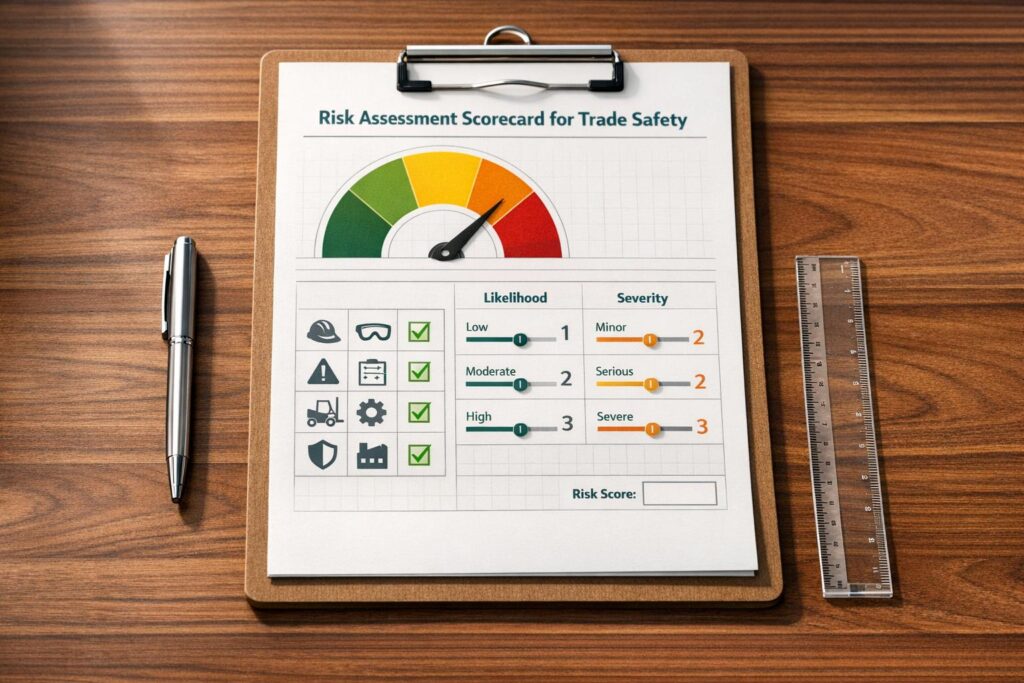
Understanding Trade Risks with a Risk Assessment Scorecard
Navigating the world of business partnerships can be tricky, especially when it comes to evaluating financial stability. A reliable way to gauge potential pitfalls is by using a tool designed for assessing trade and credit vulnerabilities. This approach helps you make informed decisions before entering agreements that could impact your bottom line.
Why Assessing Business Risks Matters
Every deal carries some level of uncertainty, whether it’s a delayed payment or an industry downturn. By systematically analyzing factors like payment patterns, order volume, and available safeguards, you can get ahead of potential issues. A well-structured evaluation system offers clarity, turning vague concerns into actionable data. For small businesses or large enterprises alike, having a method to quantify these elements is invaluable.
Benefits of a Structured Evaluation
Imagine having a snapshot of a partner’s reliability at your fingertips. Tools that break down complex data into simple scores empower you to focus on growth rather than worry. They’re especially useful for spotting trends over time, ensuring you’re not caught off guard. If you’re looking to safeguard your operations, adopting a methodical way to review business exposures can be a game-changer.
FAQs
How does the Risk Assessment Scorecard calculate the risk score?
Our tool uses a weighted scoring system based on predefined criteria. Factors like payment history carry significant weight—on-time payments lower the risk, while defaults raise it. Order size, industry risk, and collateral are also factored in, each with a specific impact on the final score. The result is a number between 0 and 100, which we break down into low, moderate, or high risk categories, so you’ve got a clear picture of where things stand.
Can I trust the risk category provided by this tool?
Absolutely, though it’s worth noting this tool is a guide, not a crystal ball. We’ve designed the scoring logic to reflect real-world risk patterns based on industry standards. It’s a solid starting point to flag potential issues, but you should always pair the results with your own judgment and any additional data you might have. Think of it as a trusted advisor helping you spot red flags early.
Is this tool suitable for small businesses?
Yes, it’s perfect for small businesses! You don’t need a big finance team to evaluate trade or credit risks. This scorecard breaks down complex factors into something manageable, whether you’re dealing with a single client or multiple partners. It’s free, easy to use, and gives you insights that can protect your cash flow without needing deep expertise.